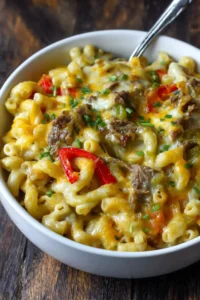
If you are looking for a fast and flavorful vegetable recipe, Easy Gochujang Broccoli is the perfect Korean-inspired side dish to add to your weekly rotation. This recipe turns simple broccoli florets into a bold, spicy-sweet dish coated in a glossy gochujang sauce that tastes exciting but is still approachable for everyday meals.
This dish is quick, colorful, and packed with flavor, making it ideal for busy weeknights, healthy meal prep, or as a standout side for rice bowls and noodle dishes. Even broccoli skeptics tend to love this one.
Why You’ll Love This Easy Gochujang Broccoli

This recipe checks all the boxes for a dependable, crave-worthy vegetable dish.
First, it is incredibly quick. From start to finish, you can have this dish on the table in about 20 minutes. That includes prepping the broccoli and making the sauce.
Second, the flavor balance is excellent. Gochujang brings gentle heat and depth, while honey or maple syrup adds sweetness, soy sauce adds umami, and rice vinegar keeps everything bright.
Third, it is versatile. You can serve it as a side dish, pile it onto rice, or turn it into a full meal with tofu, chicken, or shrimp.
Finally, it is naturally plant-based and easy to adapt for gluten-free or vegan diets with simple swaps.
Ingredients for Easy Gochujang Broccoli
This recipe uses pantry-friendly ingredients that come together into a sauce that tastes complex without being complicated.
Broccoli
- 1½ pounds fresh broccoli florets, cut into bite-sized pieces
Gochujang Sauce
- 2 tablespoons gochujang
- 1½ tablespoons soy sauce or tamari
- 1 tablespoon rice vinegar
- 1½ tablespoons honey or maple syrup
- 2 tablespoons water or vegetable broth
- 1 teaspoon toasted sesame oil
Aromatics and Cooking Oil
- 1 tablespoon neutral oil such as avocado or canola oil
- 3 cloves garlic, minced
- 1 teaspoon freshly grated ginger
Garnish (Optional)
- 1 to 2 teaspoons sesame seeds
- Sliced green onions
- Lime wedges
Ingredient Notes
Gochujang is a Korean chili paste that is spicy, slightly sweet, and deeply savory. Heat levels vary by brand, so taste and adjust as needed.
If you need this recipe to be gluten-free, use tamari and check that your gochujang is labeled gluten-free.
Honey adds classic sweetness, but maple syrup works perfectly for a vegan version.
Fresh broccoli gives the best texture, but frozen broccoli can work if thawed and well drained.
Step-by-Step Instructions
Step 1: Prepare the Broccoli
Bring a large pot of water to a boil and season it generously with salt. Add the broccoli florets and blanch for 2 to 3 minutes, just until they turn bright green and are tender-crisp.
Immediately transfer the broccoli to a bowl of ice water to stop the cooking. Drain well and set aside. This step helps keep the broccoli vibrant and prevents it from becoming mushy later.
Step 2: Make the Gochujang Sauce
In a small bowl, whisk together the gochujang, soy sauce, rice vinegar, honey or maple syrup, water or broth, and sesame oil. Stir until smooth and set aside.
Taste the sauce and adjust if needed. Add a little more sweetener if it tastes too spicy or a splash of water if it is too thick.
Step 3: Sauté the Aromatics
Heat a large skillet or wok over medium heat. Add the neutral oil, followed by the minced garlic and grated ginger.
Cook for about 30 seconds, stirring constantly, until fragrant. Be careful not to let the garlic brown, as it can become bitter.
Step 4: Stir-Fry the Broccoli
Add the drained broccoli to the skillet. Toss well to coat it with the garlic and ginger oil. Cook for 2 to 3 minutes, allowing the broccoli to heat through and lightly sear in spots.
Step 5: Add the Sauce and Finish
Pour the gochujang sauce into the skillet and toss the broccoli until evenly coated. Cook for another 1 to 2 minutes, stirring frequently, until the sauce thickens slightly and clings to the broccoli.
Remove from heat and garnish with sesame seeds, green onions, and a squeeze of fresh lime juice if desired. Serve immediately.
Pro Tips for Success
- Do not overcook the broccoli. Tender-crisp texture gives the best final result.
- Adjust spice level gradually by starting with less gochujang and adding more as needed.
- Use a wide skillet so the broccoli can cook evenly without steaming.
- Dry the broccoli well after blanching to help the sauce stick better.
- Taste and balance at the end. A little extra sweetness or acidity can make the flavors pop.
Flavor Variations
This Easy Gochujang Broccoli recipe is a great base for customization.
- Extra Spicy: Add a pinch of gochugaru or a drizzle of chili oil.
- Garlic Lover’s Version: Increase garlic to 5 cloves.
- Citrus Twist: Add orange zest and a splash of orange juice to the sauce.
- Nutty Finish: Toss with roasted peanuts or cashews before serving.
- Smoky Option: Add a small amount of smoked paprika for depth.
Serving Suggestions
This dish works beautifully with a variety of meals.
Serve it alongside steamed jasmine rice or brown rice for a simple bowl.
Pair it with noodles, such as udon or rice noodles, for a satisfying vegetarian meal.
Add it to a grain bowl with quinoa, cucumbers, and avocado.
Serve as a side with grilled chicken, salmon, or tofu.
It also makes a great addition to lunchboxes since it reheats well.
Storage and Freezing Instructions
Store leftover gochujang broccoli in an airtight container in the refrigerator for up to 4 days.
To reheat, warm gently in a skillet over medium-low heat or microwave in short intervals, stirring between each.
Freezing is not recommended, as the broccoli can become watery and lose its texture after thawing.
PrintEasy Gochujang Broccoli: Bold Korean-Inspired Side Dish

Easy Gochujang Broccoli is a bold Korean-inspired side dish made with tender broccoli florets tossed in a glossy, spicy-sweet gochujang sauce. Quick to prepare and packed with flavor, it is perfect for busy weeknights, meal prep, or as a standout vegetable side.
- Prep Time: 10 minutes
- Cook Time: 10 minutes
- Total Time: 20 minutes
- Yield: 4 servings
- Category: Side Dish
- Method: Stir-Fry
- Cuisine: Korean-Inspired
- Diet: Vegetarian
Ingredients
- 1 1/2 pounds fresh broccoli florets
- 1 tablespoon neutral oil (avocado or canola oil)
- 3 cloves garlic, minced
- 1 teaspoon freshly grated ginger
- 2 tablespoons gochujang
- 1 1/2 tablespoons soy sauce or tamari
- 1 tablespoon rice vinegar
- 1 1/2 tablespoons honey or maple syrup
- 2 tablespoons water or vegetable broth
- 1 teaspoon toasted sesame oil
- 1 to 2 teaspoons sesame seeds
- Sliced green onions
- Lime wedges (optional)
Instructions
- Bring a large pot of salted water to a boil and blanch the broccoli for 2 to 3 minutes until bright green and tender-crisp.
- Transfer broccoli to ice water, then drain well and set aside.
- In a small bowl, whisk together gochujang, soy sauce, rice vinegar, honey or maple syrup, water or broth, and sesame oil.
- Heat a large skillet over medium heat and add the neutral oil.
- Add garlic and ginger and cook for about 30 seconds until fragrant.
- Add the drained broccoli and toss to coat with the aromatics.
- Cook for 2 to 3 minutes until heated through.
- Pour in the gochujang sauce and toss until evenly coated.
- Cook for 1 to 2 minutes until the sauce thickens and clings to the broccoli.
- Remove from heat and garnish with sesame seeds, green onions, and lime if desired.
Notes
Do not overcook the broccoli to keep it tender-crisp. Adjust sweetness or spice based on your gochujang brand. Use maple syrup for a vegan version and tamari for gluten-free.
Nutrition Facts (Per Serving)
| Nutrient | Approximate Amount |
|---|---|
| Calories | 150 |
| Protein | 5 g |
| Carbohydrates | 18 g |
| Fat | 7 g |
| Fiber | 4 g |
| Sodium | 620 mg |
Values are estimates and may vary depending on ingredients used.
FAQ About Easy Gochujang Broccoli
Is gochujang very spicy?
Gochujang has a moderate heat level with sweetness and umami. It is generally less spicy than sriracha. You can reduce the amount used if you are sensitive to heat.
Can I make this recipe vegan?
Yes, simply use maple syrup or brown sugar instead of honey. The rest of the ingredients are naturally plant-based.
Can I skip blanching the broccoli?
Blanching helps keep the broccoli bright and tender, but you can skip it if you prefer. Just stir-fry the raw broccoli a bit longer with a splash of water to soften it.
What protein pairs best with this dish?
Tofu, tempeh, chicken, shrimp, and even beef all pair well with the gochujang sauce. Add cooked protein directly to the skillet for a complete meal.
Can I make this ahead of time?
Yes, this dish can be made up to two days in advance. Reheat gently and add a splash of water if the sauce thickens too much.
Final Thoughts
Easy Gochujang Broccoli proves that vegetables do not have to be boring. With just a handful of ingredients and minimal effort, you get a bold, Korean-inspired side dish that is packed with flavor and color. Whether you are serving it with rice, noodles, or protein, this recipe is one you will want to make again and again.