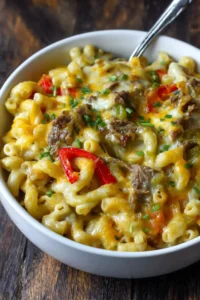
If you’re craving a bold, comforting meal that comes together fast, The Best Korean Gochujang Noodles—Easy & Spicy is exactly what you need. This recipe delivers chewy noodles coated in a rich, savory, slightly sweet, and perfectly spicy gochujang sauce—all made with pantry-friendly ingredients and ready in about 20 minutes.
Whether you’re new to Korean-inspired cooking or already love gochujang, this dish is approachable, customizable, and incredibly satisfying. It’s naturally vegetarian, easy to make gluten-free, and flexible enough to add your favorite vegetables or proteins.
Why You’ll Love This Korean Gochujang Noodles Recipe

- Quick and easy: Perfect for busy weeknights with minimal prep
- Bold flavor: Spicy, garlicky, savory, and just a little sweet
- Customizable: Adjust the heat, add veggies, or include protein
- Family-friendly adaptable: Simple tweaks make it milder for kids
- Budget-friendly: Uses affordable pantry staples
- Comforting yet exciting: Cozy noodles with a punch of flavor
This is one of those recipes you’ll find yourself making again and again—especially when you want something fast that doesn’t taste boring.
Ingredients for Korean Gochujang Noodles
For the Noodles
- 8 ounces noodles (rice noodles, udon, or ramen-style noodles)
- Water for boiling
- Pinch of salt (optional)
For the Gochujang Sauce
- 3 tablespoons gochujang (Korean chili paste)
- 2 tablespoons soy sauce or tamari
- 1½ tablespoons maple syrup or honey
- 1 tablespoon sesame oil
- 1 tablespoon rice vinegar
- 2 cloves garlic, minced
- 1 tablespoon neutral oil (avocado or canola)
Optional Toppings & Add-Ins
- Sliced green onions
- Sesame seeds
- Sautéed mushrooms
- Steamed broccoli
- Shredded carrots
- Pan-fried tofu or edamame
Ingredient Notes & Substitutions
- Gochujang: This fermented chili paste is spicy but balanced. If you’re sensitive to heat, start with 2 tablespoons and add more to taste.
- Soy sauce: Use tamari or certified gluten-free soy sauce if needed.
- Sweetener: Maple syrup adds subtle depth, while honey makes it slightly richer.
- Noodles: Rice noodles are great for gluten-free diets; udon adds extra chew.
- Garlic: Fresh garlic is best, but garlic paste works in a pinch.
Step-by-Step Instructions
Step 1 – Cook the Noodles
Bring a large pot of water to a boil. Cook the noodles according to package instructions until just tender. Drain well and set aside. Toss lightly with a bit of oil to prevent sticking.
Step 2 – Make the Gochujang Sauce
In a small bowl, whisk together the gochujang, soy sauce, maple syrup, sesame oil, and rice vinegar until smooth and glossy. Set aside.
Step 3 – Sauté the Garlic
Heat the neutral oil in a large skillet over medium heat. Add the minced garlic and sauté for 30–60 seconds, just until fragrant. Avoid browning.
Step 4 – Toss Everything Together
Add the cooked noodles to the skillet, followed by the sauce. Toss continuously until the noodles are evenly coated and heated through, about 2–3 minutes.
Step 5 – Finish and Serve
Remove from heat and taste. Adjust seasoning if needed. Garnish with green onions and sesame seeds. Serve hot.
Pro Tips for Success
- Don’t overcook the noodles: Slightly firm noodles hold sauce better.
- Control the heat: Balance spice with extra maple syrup if needed.
- Use a wide pan: This helps coat noodles evenly without breaking them.
- Prep toppings first: The dish comes together fast once you start cooking.
- Add veggies early: Sauté firmer vegetables before adding noodles.
Flavor Variations
- Extra Spicy: Add chili crisp or a pinch of red pepper flakes
- Creamy: Stir in 1–2 tablespoons coconut milk or cashew cream
- Peanut Twist: Add 1 tablespoon peanut butter to the sauce
- Ginger Boost: Add ½ teaspoon freshly grated ginger
- Citrus Finish: A squeeze of fresh lime brightens everything
Serving Suggestions
- Serve as a main dish with a side of steamed vegetables
- Pair with simple cucumber salad for contrast
- Top with a soft-boiled egg (if desired)
- Enjoy alongside dumplings or spring rolls
- Serve family-style with multiple toppings so everyone customizes their bowl
Storage and Freezing Instructions
- Refrigerator: Store leftovers in an airtight container for up to 3 days.
- Reheating: Warm gently on the stovetop with a splash of water.
- Freezing: Not recommended, as noodle texture can become mushy.
- Make-ahead tip: Prepare the sauce up to 5 days in advance.
The Best Korean Gochujang Noodles—Easy & Spicy

Des nouilles coréennes ultra savoureuses enrobées d’une sauce gochujang épicée, légèrement sucrée et riche en umami, prêtes en seulement 20 minutes avec des ingrédients simples du placard.
- Prep Time: 5 minutes
- Cook Time: 15 minutes
- Total Time: 20 minutes
- Yield: 2 portions
- Category: Plat Principal
- Method: À la poêle
- Cuisine: Coréenne
- Diet: Vegetarian
Ingredients
- 225 g de nouilles (riz, udon ou type ramen)
- Eau pour la cuisson
- 3 cuillères à soupe de gochujang
- 2 cuillères à soupe de sauce soja ou tamari
- 1½ cuillère à soupe de sirop d’érable ou de miel
- 1 cuillère à soupe d’huile de sésame
- 1 cuillère à soupe de vinaigre de riz
- 2 gousses d’ail, hachées
- 1 cuillère à soupe d’huile neutre
- Oignons verts pour servir
- Graines de sésame pour servir
Instructions
- Porter une grande casserole d’eau à ébullition.
- Cuire les nouilles selon les instructions du paquet jusqu’à ce qu’elles soient juste tendres.
- Égoutter les nouilles et réserver.
- Dans un bol, mélanger le gochujang, la sauce soja, le sirop d’érable, l’huile de sésame et le vinaigre de riz jusqu’à obtenir une sauce lisse.
- Faire chauffer l’huile neutre dans une grande poêle à feu moyen.
- Ajouter l’ail haché et faire revenir 30 à 60 secondes jusqu’à ce qu’il soit parfumé.
- Ajouter les nouilles cuites dans la poêle.
- Verser la sauce gochujang sur les nouilles.
- Mélanger continuellement pendant 2 à 3 minutes jusqu’à ce que les nouilles soient bien enrobées et chaudes.
- Goûter et ajuster l’assaisonnement si nécessaire.
- Servir chaud, garni d’oignons verts et de graines de sésame.
Notes
Commencer avec moins de gochujang si vous êtes sensible au piquant. Ajouter des légumes ou des protéines selon vos envies.
Nutrition Facts (Per Serving)
| Nutrient | Amount |
|---|---|
| Calories | ~390 |
| Protein | 10g |
| Carbohydrates | 58g |
| Fat | 13g |
| Fiber | 3g |
| Sodium | ~780mg |
Values are estimates and vary by ingredients used.
FAQ About Korean Gochujang Noodles
What does gochujang taste like?
Gochujang is savory, spicy, slightly sweet, and deeply umami-rich thanks to fermentation. It’s more complex than typical chili sauces and less sharp than hot sauce.
Are Korean gochujang noodles very spicy?
They’re moderately spicy, but you control the heat. Reducing the amount of gochujang or adding extra sweetener makes them milder and more kid-friendly.
Can I make this recipe gluten-free?
Yes. Use rice noodles and gluten-free tamari or soy sauce. Most gochujang brands are gluten-free, but always double-check labels.
What protein works best with this dish?
Tofu, edamame, mushrooms, or shredded chicken all work well. Add cooked protein at the same time as the noodles.
Can I make this ahead of time?
It’s best fresh, but you can prep the sauce in advance. Reheat gently to maintain texture and flavor.
Final Thoughts
The Best Korean Gochujang Noodles – Easy & Spicy proves that big flavor doesn’t require complicated steps or hard-to-find ingredients. This recipe is fast, flexible, and deeply satisfying—perfect for weeknights, lazy weekends, or anytime you want something comforting with a kick.
Once you try it, don’t be surprised if it becomes a regular part of your dinner rotation.